






Feeling constantly tired? Struggling with stubborn weight gain? Noticing changes in your skin or menstrual cycle? While these symptoms are common — and often blamed on stress or aging — they could also signal an issue with your thyroid.
According to Tessey Jose, MD, an endocrinologist who regularly educates patients about hormone health, hypothyroidism — or an underactive thyroid — can present with a wide range of subtle, overlapping symptoms.
“With hypothyroidism, generally what you’re experiencing is an underactive thyroid,” Dr. Jose explains. “And so you’re going to experience several symptoms.”
Here are seven signs she says may point to a sluggish thyroid.

The Difference Between Dragging Through Your Day And Feeling Great On Your Feet? These Arch Support Insoles

1. Persistent Low Energy
One of the most common symptoms of hypothyroidism is ongoing fatigue. This isn’t just feeling tired after a long day — it’s a lingering lack of energy that doesn’t improve with rest. When the thyroid isn’t producing enough hormones, the body’s metabolism slows down, affecting nearly every organ system and leaving you feeling drained.

2. Unexplained Weight Gain or Difficulty Losing Weight
If you’re eating and exercising the same way but suddenly gaining weight — or finding it unusually difficult to lose it — your thyroid may be a factor. A slower metabolism can make weight management more challenging, even without major lifestyle changes.

3. Constipation and Digestive Changes
Digestive issues are another subtle sign. Hypothyroidism can slow the movement of food through the digestive tract, leading to constipation and general digestive discomfort. Because digestive symptoms are common and often linked to diet or stress, they’re frequently overlooked as a thyroid clue.

4. Dry Skin and Hair
Dry, rough skin and brittle or thinning hair are hallmark symptoms of low thyroid hormone levels. You may also notice increased hair shedding or hair that feels coarser than usual. The thyroid plays a role in skin cell turnover and hair follicle health — so when hormone levels drop, visible changes can follow.
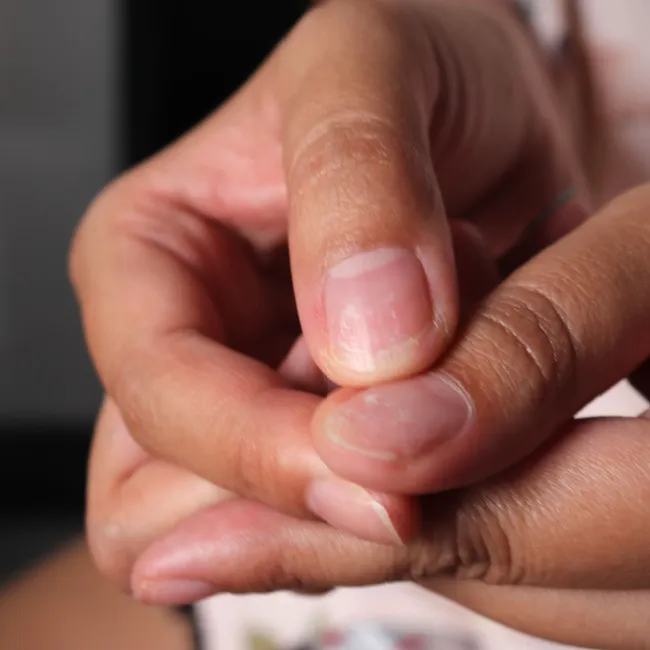
5. Brittle Nails
Brittle, weak nails that split easily can also be associated with hypothyroidism. Like hair and skin, nails are affected by slowed metabolic processes.

6. Irregular Periods
For premenopausal women, menstrual irregularities may be an important sign. “You'll see irregular menses,” Dr. Jose notes. Changes can include heavier periods, missed cycles, or unpredictable timing. Because hormonal shifts are common in perimenopause, thyroid-related menstrual changes can sometimes be misattributed.

7. Generalized “Off” Feeling
Many people with hypothyroidism describe a vague sense that something isn’t right — sluggishness, brain fog, or just not feeling like themselves. However, Dr. Jose emphasizes an important caveat: these symptoms are non-specific. “It’s very important to note that these symptoms are non-specific,” she explains. “The average population — if you ask everyone — will have a lot of these common symptoms, which can overlap with other issues such as stress or perimenopause.”
The Bottom Line
Because the signs of hypothyroidism are so common and overlap with everyday stress, aging, and hormonal changes, self-diagnosing can be misleading.
Dr. Jose stresses that proper medical evaluation — including lab testing — is essential. If you’re experiencing several of these symptoms persistently, it’s worth discussing them with your healthcare provider rather than assuming it’s just stress or getting older.
Your thyroid may be small, but its impact on your body is significant — and identifying issues early can make a major difference in how you feel.