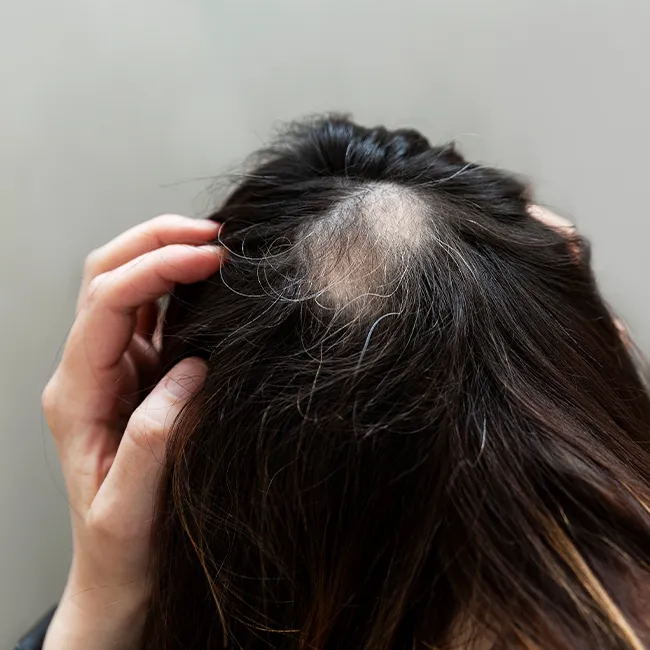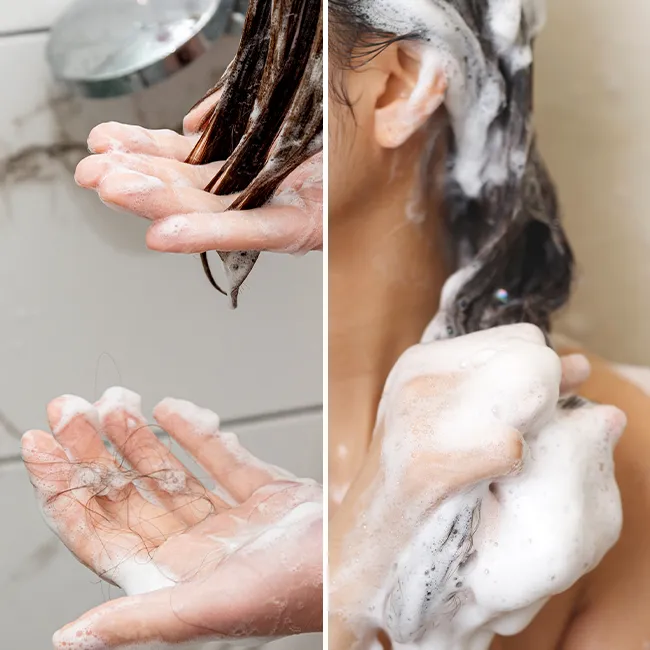





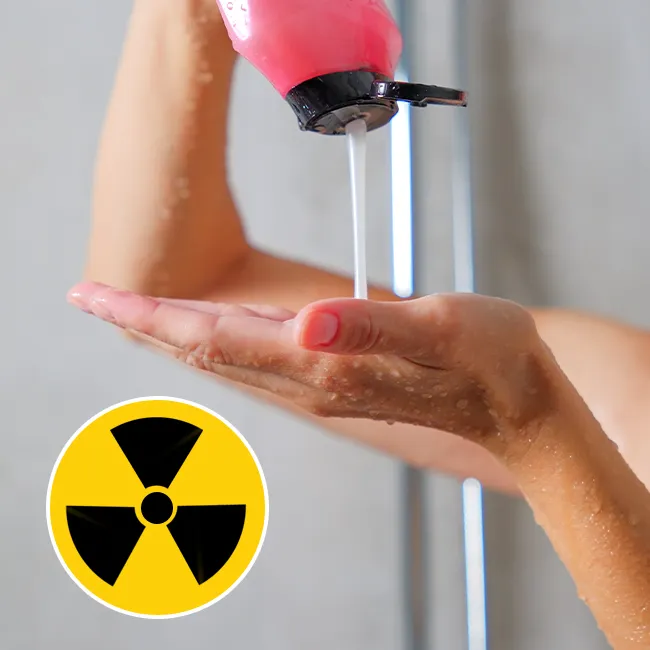
If your hair has been feeling dry, brittle, or constantly irritated—your shampoo could be to blame. While many formulas promise shine and hydration, some experts warn that certain ingredients lurking in your bottle may actually be doing the opposite. According to wellness expert Dr. Janine Bowring, a handful of commonly used additives can strip moisture, irritate the scalp, and even trigger sensitivities—especially for those already dealing with dryness or conditions like dandruff.
The good news? Once you know what to look for, it’s much easier to clean up your routine. Ahead, five “toxic” shampoo ingredients she says to avoid—and why they could be sabotaging your hair goals.

The Difference Between Dragging Through Your Day And Feeling Great On Your Feet? These Arch Support Insoles
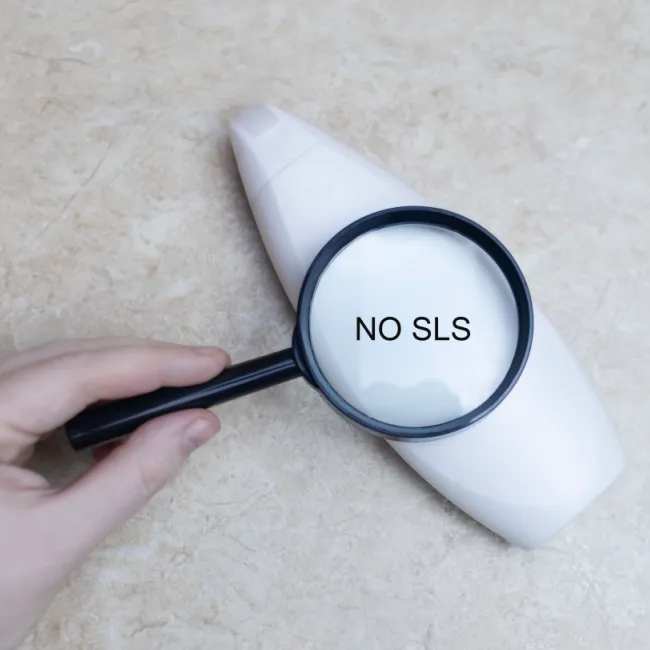
1. Sodium Lauryl Sulfate (SLS)
This common cleansing agent is what gives shampoos that satisfying lather—but it can be harsh. Dr. Bowring explains that sulfates like SLS can strip your hair of its natural oils, leaving strands dry and your scalp irritated. If you’re prone to flaking, itchiness, or sensitivity, this ingredient may be making things worse.

2. Urea-Based Compounds (Like DMDM Hydantoin)
Often used as preservatives or moisturizers, these hard-to-pronounce ingredients can be a red flag. Dr. Bowring notes that certain urea-based compounds are best avoided altogether, especially if you’re trying to maintain a “cleaner” beauty routine. When labels get overly complicated, it’s worth taking a closer look.

3. Synthetic Fragrance (Parfum)
That fresh, salon-like scent? It could come at a cost. Synthetic fragrances are a major trigger for scalp irritation and sensitivity, particularly for those with conditions like psoriasis or chronic dryness. Dr. Bowring recommends opting for fragrance-free formulas or those scented naturally with essential oils.

4. Polysorbates
These emulsifiers help blend ingredients together and improve texture, but they’re another additive Dr. Bowring flags as potentially problematic. Commonly found in conditioners and shampoos, polysorbates may contribute to unwanted buildup or sensitivity over time.

5. Propylene Glycol
This ingredient has been widely used to help products retain moisture—but it’s also been linked to irritation for some users. In fact, it was even named “Allergen of the Year” in 2018. If your scalp feels reactive or inflamed, this could be one to eliminate from your routine.
The Bottom Line
Not all shampoos are created equal, and what you use daily can have a major impact on your hair and scalp health. Dr. Bowring suggests paying closer attention to ingredient labels and opting for gentler, non-irritating formulas whenever possible. A few small swaps could mean the difference between dull, irritated strands—and hair that actually looks and feels healthy.