




With warmer weather upon us, many people are taking their diet a bit more seriously. Whether you want a flat belly when you hit the beach or just want a little more confidence when you slip into those short-shorts, weight loss might be high on your list of priorities this summer. While your workout routine certainly plays a crucial role, maintaining a healthy diet is undeniably important. Knowing what to avoid is just as paramount as adding the right foods to your plate.
To shed some light on a few food items that could be standing between you and the body of your dreams, we spoke to experts Lisa Richards, nutritionist at the Candida Diet; Dan Gallagher, registered dietitian from Aegle Nutrition; Krutika Nanavati, a registered dietitian and nutritionist; and Jesse Feder, RDN, CPT at My Crohns and Colitis Team. They warned against cereal, bacon, and more. Find all of their advice below.

The Difference Between Dragging Through Your Day And Feeling Great On Your Feet? These Arch Support Insoles

1. Cereal
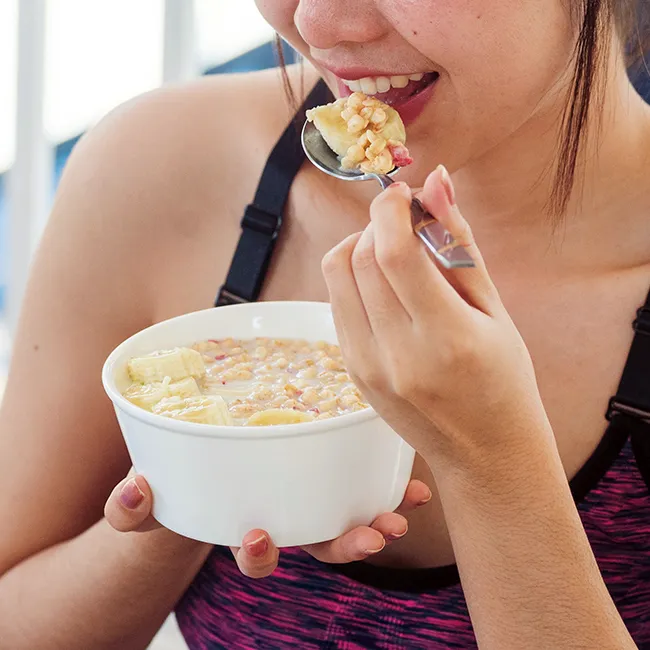
Cereal, especially the sugary varieties, is a highly processed food often packed with preservatives to extend shelf life and maintain freshness. These cereals typically contain refined grains, high levels of added sugars, and artificial flavors, which can cause rapid spikes in blood sugar levels. These spikes are followed by crashes that increase hunger and cravings, leading to overeating. The high sugar content and lack of fiber and protein make it easy to consume large portions without feeling full, contributing to excess calorie intake.
Feder states that "sugary breakfast cereals are low in fiber, and high in refined grains, preservatives, and sugar. Most people and kids do not typically have just one serving of these cereals as a serving size is quite small. Many people have 2-3 servings in one sitting."
Feder continues, "This provides a significant amount of calories and sugar that can lead to weight gain as well as gut inflammation. All of this sugar tends to cause bad bacteria to grow in the gut and kills a lot of the good bacteria. This is what contributes to inflammation and poor digestion."
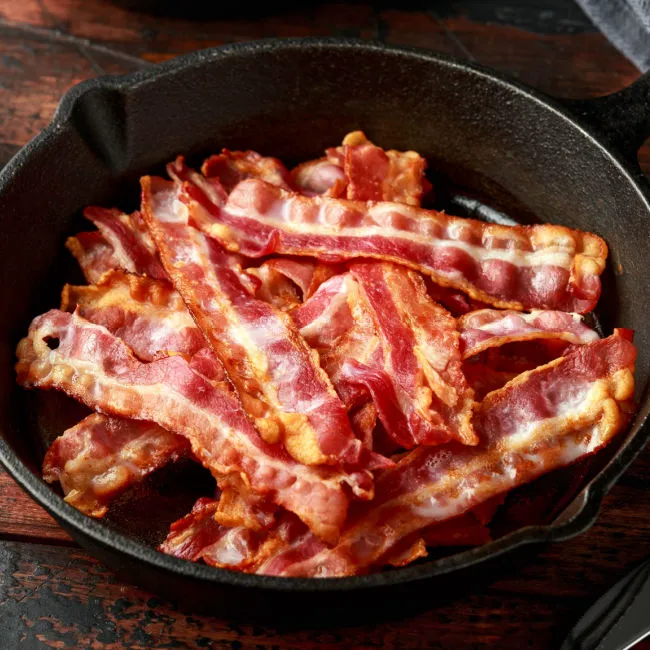
2. Bacon
Bacon, a beloved but high-fat processed meat, poses concerns due to its elevated sodium and additive content, which may contribute to weight gain and other various disease. The salt-heavy nature of bacon can lead to water retention and elevated blood pressure, increasing the risk of cardiovascular issues.
"High in sodium and saturated fat, bacon is frequently cured and smoked, adding nitrates and nitrites. These factors can lead to weight gain and potentially increase heart disease risk," says Nanavati.
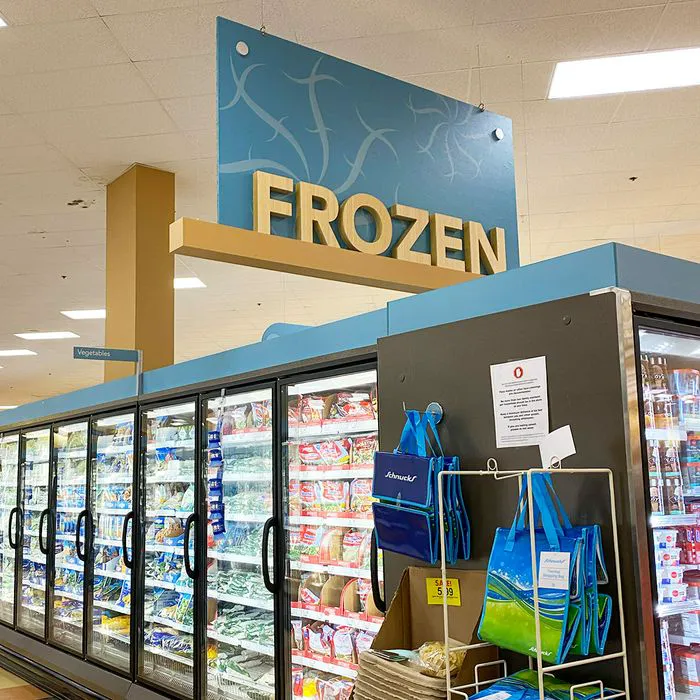
3. Frozen Dinners
Frozen meals frequently contain high levels of sodium, artificial flavors, and unhealthy fats, which can disrupt your body's metabolic processes and lead to weight gain over time if consumed frequently. The high sodium content can cause water retention and bloating, while the unhealthy fats and refined carbohydrates can contribute to the accumulation of visceral fat.
"Frozen dinners are some of the worst offenders when it comes to unhealthy foods at the grocery store. Most frozen dinners are full of preservatives and come with a full day's worth of sodium in one serving (sometimes more). Do yourself a favor and skip the frozen dinners," says Gallagher.
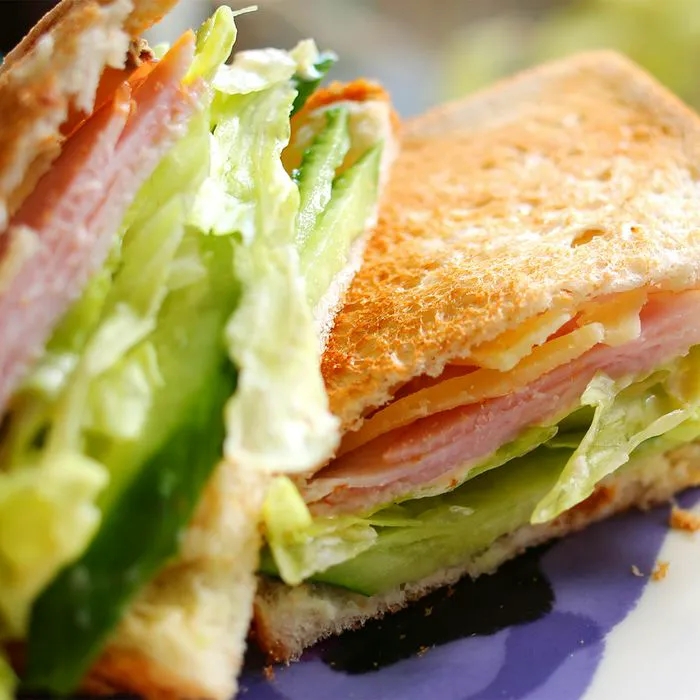
4. White Bread
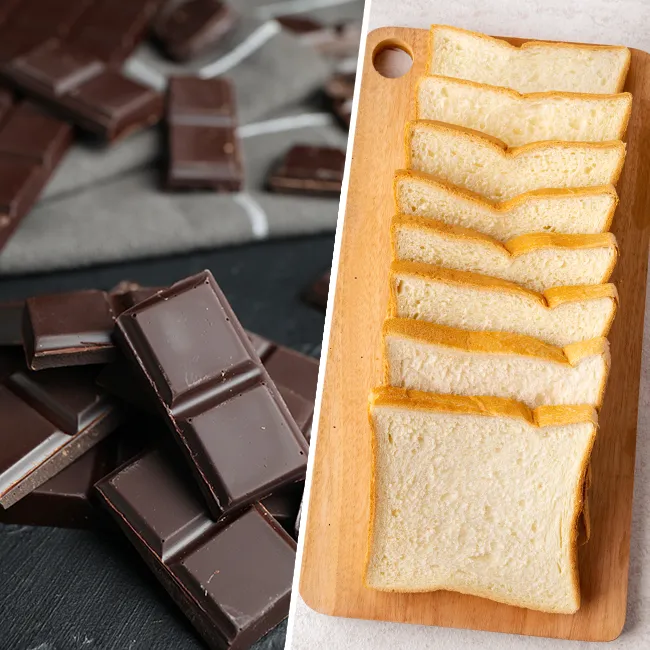
White bread often contains preservatives and additives to enhance its shelf life and texture, which can have adverse effects on metabolism and overall health. The lack of fiber and essential nutrients makes white bread a less satisfying and less nutritious option, further contributing to overeating and weight gain.
Best says, "Most bread is made with processed and inflammatory ingredients like refined carbohydrates and gluten. When eating inflammatory foods like this, the body can experience reactions like brain fog, fatigue, and mood issues."
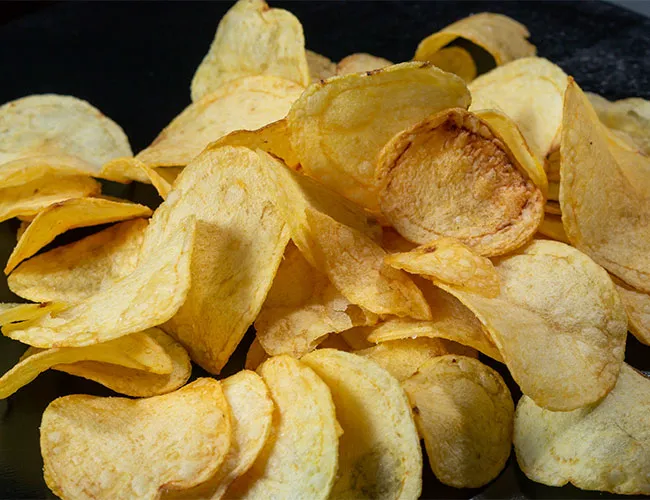
5. Potato Chips
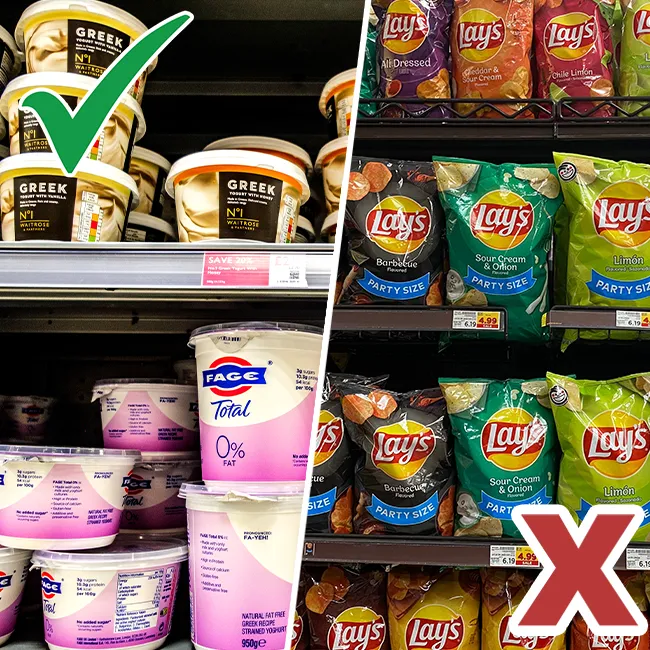
Potato chips, a popular snack, are highly processed and loaded with unhealthy ingredients that can contribute to belly fat. These crispy treats are typically fried in oils high in unhealthy fats, which can promote weight gain and increase visceral fat around the midsection.
"The high levels of added salt and unhealthy fats contribute to flavor but provide little nutritional value. Consuming such processed snacks, rich in trans fats and lacking essential nutrients, can contribute to weight gain and may adversely affect metabolism," says Richards.